Clinical Context
Whitney Leavitt weight loss: After childbirth, weight retention can become a major driver of long-term obesity in women. The health and fitness changes of TikTok creator Whitney Leavitt offer a useful public example of managing metabolic health while managing the physiological and psychological demands of motherhood.
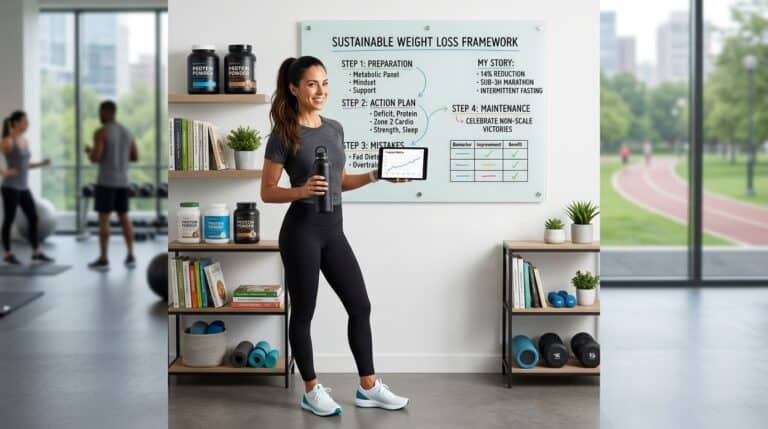
In my five years of obesity management, alongside training for World Championship Duathlons and sub-3-hour marathons, one pattern has been consistent: sustainable weight loss depends on repeatable habits, not a short burst of restriction.
This guide translates the “Whitney Leavitt weight loss” approach into practical clinical steps for mothers seeking to reverse obesity and improve metabolic health.
What You Need: Starting Requirements for Postpartum Weight Loss
Establishing a Realistic Mindset
- Physiological timelines: Uterine involution, hormonal stabilization, and changes in appetite, energy expenditure, and insulin sensitivity often take 6 to 12 months postpartum. Pushing for immediate weight loss can increase psychological distress and cortisol output.
- Non-scale victories (NSVs): Shift the focus from scale weight to health markers. Better goals include glycemic control, steadier energy, and restored joint mobility.
Building a Supportive Environment
- Practical scheduling support: Establish a clear schedule with partners or family members to secure uninterrupted 30-minute workout windows. For serious maternal health recovery, childcare support functions as part of the intervention.
- Digital curation: Remove social media accounts that promote unrealistic postpartum expectations. Repeated exposure to idealized physiques can drive psychological stress, and that stress is associated with binge eating behaviors.
Gathering Your Essential Tools
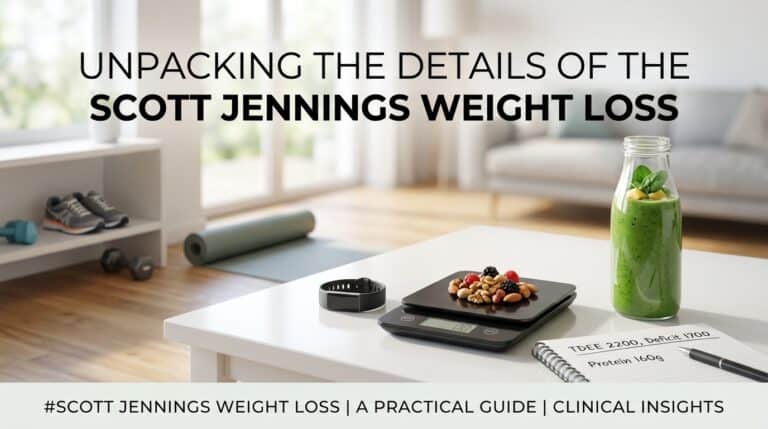
- Nutritional tracking: Use basic logging to monitor macronutrient intake, especially protein and dietary fiber, rather than relying on obsessive calorie counting.
- Functional fitness gear: A dense home workout mat, resistance bands, and properly fitted supportive footwear.
- Metabolic data tracking: Wearable technology can track sleep architecture and heart rate variability (HRV), both of which help determine daily recovery and readiness.
Step-by-Step Plan Inspired by the Whitney Leavitt Weight Loss Approach
Step 1: Eating to Support Recovery and Weight Loss
A successful dietary intervention for obesity should improve satiety, preserve muscle, and be consistent enough to follow. I have used intermittent fasting to reduce my own body weight by 14% for endurance competition, but postpartum nutrition is different. It requires steadier nutrient timing to support lactation and endocrine recovery.
- Macronutrient prioritization: High-protein intake, typically 1.2g to 1.6g per kg of target body weight, helps preserve lean muscle mass. Lean mass is a major determinant of basal metabolic rate (BMR).
- Hydration targets: Fluid needs often rise during lactation. Many women need around 3 liters daily, but needs vary.
- Portion structure: The plate method: 50% fibrous vegetables, 25% lean protein, and 25% complex carbohydrates, helps moderate post-meal blood glucose and keeps meals structured without relying on restrictive fad dieting.
Postpartum Nutritional Strategies Table
| Intervention | Primary Physiological Effect | Role in Obesity Management |
|---|---|---|
| High-Protein Diet | Increases thermic effect of food (TEF); repairs tissue. | High satiety reduces hyperpalatable food cravings. |
| Optimal Hydration | Supports cellular homeostasis and milk production. | Prevents thirst misinterpretation as hunger cues. |
| Fiber Prioritization | Slows gastric emptying; stabilizes blood glucose. | Moderates post-meal glucose and supports appetite control. |
Step 2: Incorporating Movement into a Busy Schedule
Elite athletic programming relies on periodization. That principle still applies here, but the starting point is different: you cannot train a postpartum body like a marathon runner on day one.
- Medical clearance: Before clearance, limit training to pelvic floor rehabilitation, diaphragmatic breathing, and gentle walking. Structured exercise usually begins after obstetric clearance, typically at 6-8 weeks.
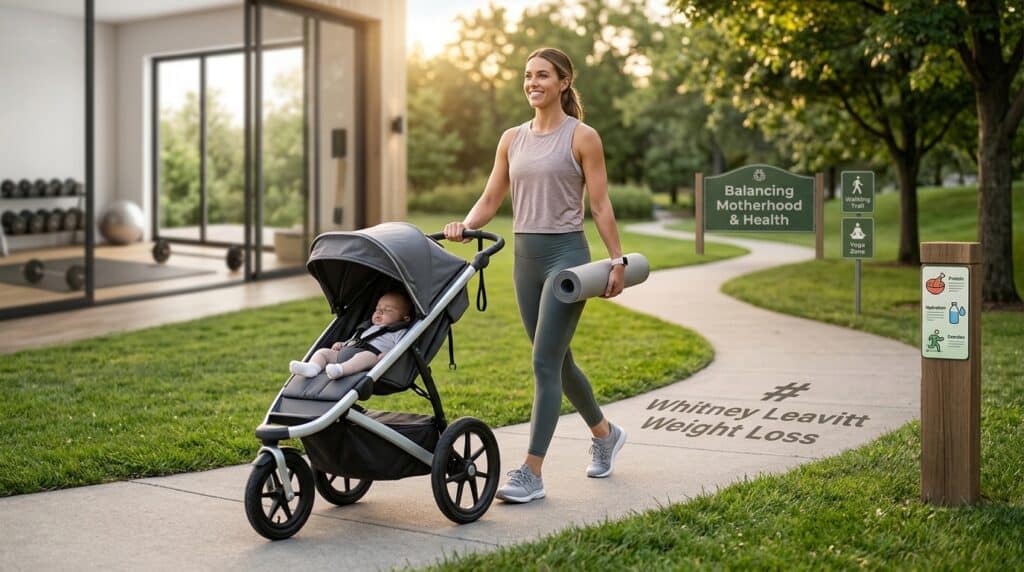
- Non-Exercise Activity Thermogenesis (NEAT): Leavitt’s integration of dance and preferred movement is a practical way to increase daily caloric expenditure outside formal exercise.
- Micro-dosing fitness: Schedule 15-to-30-minute high-efficiency home workouts, such as bodyweight resistance and mobility sessions, during infant nap times. These small sessions, repeated consistently, often produce more reliable metabolic benefits than sporadic, exhaustive gym workouts.
Step 3: Prioritizing Mental Health and Self-Care
- Endocrinology of stress: Chronic maternal stress elevates cortisol. Elevated cortisol can increase visceral fat deposition and worsen insulin resistance. Stress management therefore belongs in the core weight-loss plan because it can affect appetite, blood glucose, sleep, and fat distribution.
- Addressing guilt around self-care: Frame maternal self-care as basic physiological maintenance. A compromised, fatigued mother cannot model healthy behaviors or provide optimal care.
Common Mistakes to Avoid
Falling for Quick-Fix Crash Diets
- Severe caloric restriction, especially below 1,200 calories, can reduce thyroid hormone output, decrease BMR, and deplete the glycogen stores needed for cognitive function and physical parenting tasks. It also sets up the conditions for rebound weight gain.
Comparing Your Timeline to Celebrity “Snap-Backs”
- The “snap-back” culture is medically hazardous. It ignores genetics, private chefs, recovery support, and possible surgical interventions. As a benchmark, it leads many mothers toward psychological burnout and adherence failure.
Neglecting Sleep and Recovery
- Sleep deprivation alters appetite-regulating hormones: ghrelin rises, increasing hunger, while leptin drops, reducing satiety.
- Clinical observation: In obesity treatment, patients sleeping fewer than 6 hours per night show a 55% higher risk of obesity development. Adequate sleep supports appetite control, glucose regulation, and muscle repair.
Long-Term Maintenance
Transitioning from Weight Loss to Sustainable Maintenance
- Once a healthy BMI and body fat percentage are achieved, caloric intake must be titrated back to maintenance levels.
- The priority then shifts from creating an energy deficit to improving cardiovascular output, muscular endurance, and blood glucose control.
Maintaining Function and a Healthy Body Image
- Redefine the body by its functional output: lifting a child, maintaining stamina, recovering well, and moving without pain.
- A guilt-free relationship with food and movement reduces the risk of rebound dieting and disordered eating. It also models lifelong metabolic health for your children.
Frequently Asked Questions
What is the main reason behind the Whitney Leavitt weight loss results?
The efficacy of her approach comes from consistently high daily movement, especially NEAT through dance and active parenting, paired with nutrition that avoids severe restriction and activities that reduce stress. The weekly average matters more than occasional intense sessions.
How do I find time to work out as a new mom?
Use habit stacking and micro-workouts. Do not wait for a perfect 60-minute window. Fit movement into small openings: mobility upon waking, resistance training during a nap, and a stroller walk later in the day. Cumulative movement contributes to total daily energy expenditure and fitness.
Is it safe to exercise immediately after having a baby?
Medical Disclaimer: Rigorous physical activity is strictly contraindicated immediately postpartum. Ligament laxity from relaxin and pelvic floor trauma increase injury risk and may require pelvic floor rehabilitation. Wait for medical clearance from your physician, usually at the 6-to-8-week mark, before beginning structured cardiovascular or resistance training. Early movement should be limited to gentle walking and targeted breathwork.