
In obesity management, using the best meal replacement shakes for weight loss can be a useful controlled dietary tool. A clinically viable shake is a portion-controlled, nutrient-dense beverage designed to replace a solid food meal. It should provide enough protein, carbohydrates, fats, vitamins, and minerals to support metabolic function while still allowing a caloric deficit. The protocol below explains how to choose and implement these shakes for weight loss while preserving lean mass.
This guide draws on five years of experience managing obesity, the metabolic conditioning required for World Championship Duathlons and five sub-3-hour marathons, and a self-managed 14% body mass reduction using intermittent fasting protocols. The focus is controlled intake, measurable targets, and compliance.
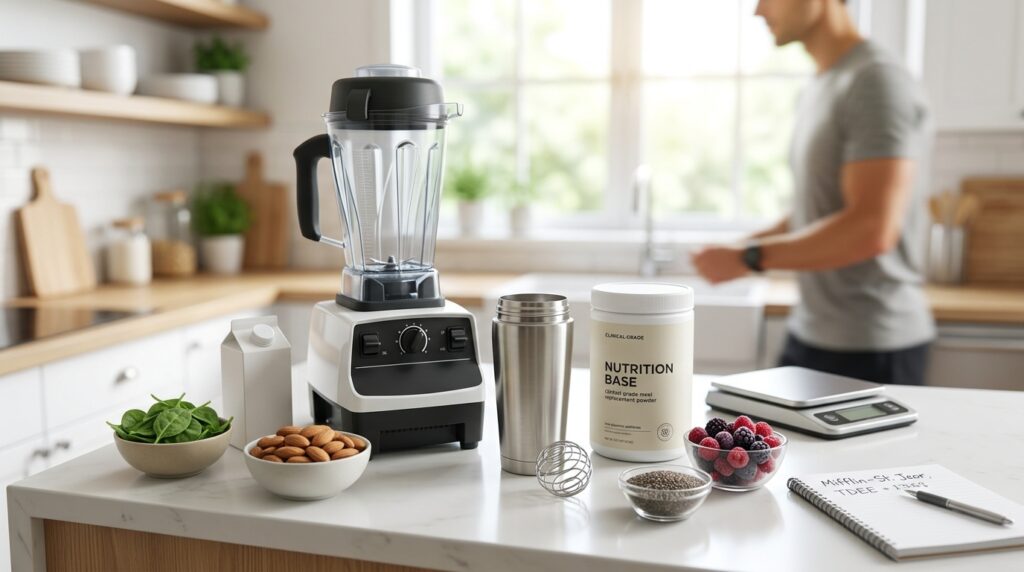
What You Need to Get Started
Essential Equipment and Supplies
Preparation affects fullness from liquid meals.
- High-velocity blender: Required for home preparation to maximize aeration and volume, increasing gastric distension and fullness.
- Shaker bottle with a wire whisk: Necessary for on-the-go adherence. Missed meals often lead to reactive overeating later.
- Meal replacement powder with a complete nutrition panel: The primary nutritional intervention tool.
Baseline Nutritional Data
Effective weight management requires metabolic calculations, not guesses.
- Basal Metabolic Rate (BMR): Calculate your resting energy expenditure using the Mifflin-St. Jeor equation.
- Total Daily Energy Expenditure (TDEE): Multiply BMR by your activity level.
- Deficit Target: Subtract 500–750 calories from your TDEE to establish a fat-loss trajectory of 1 to 1.5 pounds per week.
Whole Food Supplements
To increase micronutrient density without compromising the caloric deficit, keep the following low-glycemic additions available:
- Spinach or kale (fiber and folate)
- Unsweetened almond milk (low-calorie liquid base)
- Chia or flax seeds (omega-3 fatty acids and mucilaginous fiber)
- Frozen berries (antioxidants and volume)
Step 1: Evaluating and Choosing the Right Shake
Analyzing Macronutrient Ratios
Use specific macronutrient targets to help control blood glucose and preserve lean muscle during weight loss.
| Macronutrient | Minimum Target | Physiological Impact |
|---|---|---|
| Protein | 15–25 grams | Stimulates muscle protein synthesis; increases thermic effect of food; triggers peptide YY, a satiety hormone. |
| Dietary Fiber | 3–5 grams | Delays gastric emptying; helps reduce postprandial insulin spikes; feeds the gut microbiome. |
| Fat | 2–5 grams | Facilitates absorption of fat-soluble vitamins (A, D, E, K); slows digestion. |
Identifying Sugar and Artificial Additives
Examine the nutrition panel closely. Added sugar should remain below 5 grams per serving. Sugar-dense liquids add calories quickly and can worsen glycemic control. Avoid products that rely heavily on artificial sweeteners such as sucralose or aspartame, or unnecessary preservatives.
Selecting Your Protein Source
Choose a protein base that fits your gastrointestinal tolerance:
- Whey-based: High bioavailability and rapid absorption. Useful post-training, though it may cause gastric distress in lactose-intolerant individuals.
- Casein-based: Slower digestion rate, with a sustained release of amino acids and prolonged satiety.
- Plant-based (Pea, Soy, Hemp): Hypoallergenic alternatives. Use a blended plant profile to provide a complete essential amino acid spectrum.
Step 2: Integrating the Shakes into Your Daily Routine
Planned Meal Substitution
Replace one to two meals daily. Target the meals where decision fatigue or time constraints usually lead to hyper-caloric food choices, most commonly breakfast or lunch.
Preparation Process
Texture affects fullness. Blend the powder with ice and a low-calorie liquid base, such as water or unsweetened almond milk. Aeration and thickness increase the shake’s physical volume. Thicker, colder liquids empty from the stomach more slowly, helping you feel full longer.
Balancing Remaining Whole-Food Meals
The whole-food meals outside the shake protocol still need to fit the calorie and nutrient targets. Build them around:
- Lean proteins: Chicken breast, turkey, tofu, or white fish.
- Complex carbohydrates: Quinoa, sweet potatoes, or oats.
- Healthy fats: Avocado, olive oil, or almonds.
- Note on Intermittent Fasting: For a structured eating schedule, these whole-food meals and shakes can be condensed into an 8-hour eating window, such as a 16:8 protocol.
Common Mistakes to Avoid
Using Shakes as a Complete Diet Replacement
Do not attempt a 100% liquid diet. Replacing every meal with a shake can reduce adherence, limit food variety, increase the risk of deficiencies, and lower daily energy expenditure.
Ignoring Liquid Calories
A controlled meal replacement is easily ruined by uncontrolled additions. Do not mix shakes with whole milk, fruit juices, or large volumes of nut butters. A 150-calorie powder mixed with whole milk and peanut butter can quickly become a 600-calorie beverage, eliminating the caloric deficit.
Confusing Protein Shakes with Meal Replacements
Recognize the difference:
- Protein Shake: Typically 20-30g of protein, <5g carbs, <2g fat. Designed primarily for muscle recovery. Usually lacks adequate vitamins and minerals.
- Meal Replacement Shake: Contains a balanced macro-profile of carbohydrates, fats, and protein, and is fortified with 25-30% of daily essential vitamins and minerals. Using a basic protein shake as a meal replacement can lead to energy crashes and inadequate nutrition.
Frequently Asked Questions
Do meal replacement shakes for weight loss actually work?
Yes. Clinical data shows that meal replacements are effective for short- and medium-term weight loss in obese populations. Their main advantage is practical: they remove portion distortion and enforce a strict, easily trackable caloric deficit.
Can I use these shakes without exercising?
Yes. High-level endurance training, such as marathon or duathlon preparation, significantly increases energy expenditure and cardiovascular efficiency. Fat loss, however, is still driven primarily by dietary caloric restriction. A patient with severe obesity can reduce body mass using shakes and dietary control alone before introducing exercise.
How long is it safe to use meal replacement shakes?
A daily 1-to-2 shake protocol is commonly used for 3 to 6 months to achieve initial weight-loss targets. After that, the protocol should gradually transition back toward a 100% whole-food diet to support long-term weight maintenance.
Monitoring and Maintenance
Tracking and Monitoring Progress
Track the data. Weigh yourself once weekly under identical conditions: fasted, in the morning. This captures trends without overreacting to daily water fluctuations. Monitor energy levels and sleep quality as well. A sustained loss of 1 to 2 pounds per week indicates an appropriate physiological response to the dietary intervention.
Transitioning to Long-Term Maintenance
Once you reach the target body composition, begin the transition phase. Gradually replace the remaining daily shake with an isocaloric, balanced whole-food meal over a 4-week period. The shake protocol is a temporary tool for reducing calorie intake and breaking high-calorie meal patterns, supporting a whole-food-based maintenance plan.