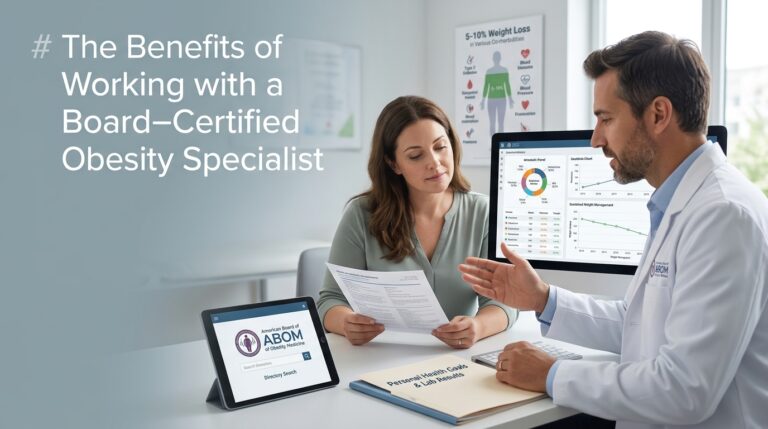

Weight loss depends on metabolic control, training load, nutrition, and behavior. My own controlled 14% reduction in body weight through structured intermittent fasting supports the same conclusion: sustainable weight loss requires precise metabolic and behavioral interventions, not acute deprivation.
A reliable weight management plan starts with a clear definition of sustainable weight loss. It is a long-term lifestyle and nutrition system supported by behavioral change, designed to be maintained beyond the initial weight loss phase. Use the process below to assess local provider options so a search for “weight loss near me” leads to safe, qualified, and durable support for individuals managing obesity.
Step 1: What You Need Before You Start
Define Your Personal Goals and Expectations
Identify exact metabolic and physiological objectives rather than focusing only on gross scale weight. Goals should include improved insulin sensitivity, reduced visceral adiposity, increased cardiovascular stamina, and improved body composition that can be maintained. Set realistic, measurable milestones based on clinical parameters.
Health Impacts of a 5-10% Body Weight Reduction in Obese Patients:
| Physiological Marker | Clinical Improvement |
|---|---|
| Blood Pressure | Average reduction of 5 mmHg in both systolic and diastolic pressure. |
| Glycemic Control | Decreased fasting blood glucose; significant drop in HbA1c levels. |
| Lipid Profile | Reduction in triglycerides and LDL cholesterol; increase in HDL cholesterol. |
| Joint Mechanics | Every 1 lb of weight loss removes 4 lbs of joint stress on knees. |
Gather Your Medical History and Clearances
Compile comprehensive medical records, current pharmacological interventions, and any dietary restrictions. Obesity is a complex, multifactorial disease, often accompanied by comorbidities such as hypertension, type 2 diabetes, or sleep apnea. Before starting a new diet or exercise program, secure medical clearance from your primary care physician.
Determine Your Budget and Schedule Flexibility
Assess the money and time you can realistically commit to consultations, meal planning, physical conditioning, and medical supervision. Be specific. A strict weekly or monthly budget reduces the risk of quitting because the program becomes too expensive.
2: How to Search for “Weight Loss Near Me”
Utilizing Online Directories and Reviews
Use search engines and specialized medical directories, including the American Board of Obesity Medicine registry, to identify local services. Review client testimonials, Google reviews, and longitudinal case studies where available. Focus on clinical efficacy and professional reputation, not just popularity.
Seeking Referrals from Healthcare Providers
Request referrals from your primary care physician, endocrinologist, or physical therapist. Medical professionals often work within networks of trusted, board-certified specialists who use evidence-based protocols for obesity management.
Exploring Local Clinics, Dietitians, and Fitness Centers
Research several provider categories: medical weight loss clinics, Registered Dietitian Nutritionists (RDNs), and fitness facilities. Prioritize institutions that provide coordinated, evidence-based lifestyle interventions. Generic template programming should be treated with caution.
3: Evaluating Professionals and Services
Checking Credentials and Certifications
Ensure all practitioners hold verified clinical or accredited qualifications. Seek out:
- Medical Doctors: Board-certified in Obesity Medicine (ABOM).
- Nutrition: Registered Dietitian Nutritionists (RDNs).
- Physical Conditioning: Trainers holding NCCA-accredited certifications (e.g., NSCA-CSCS, NASM, ACE) with specializations in special populations or obesity management.
Assessing the Program’s Approach to Nutrition and Fitness
Avoid standardized plans that ignore medical history, baseline fitness, and adherence limits. The program should provide individualized metabolic counseling and progressive exercise programming that adapts to your current work capacity. Nutritional protocols may involve macronutrient tracking, the Mediterranean model, or time-restricted feeding such as intermittent fasting. Choose the method that fits your medical status, lab data, schedule, and ability to adhere.
Scheduling Initial Consultations
Book introductory consultations with your top two to three candidates. Use this time to ask about their clinical methodology, data tracking systems, and protocols for managing metabolic adaptation, including weight loss plateaus.
4: Common Mistakes to Avoid
Falling for Quick-Fix or Extreme Restrictive Diets
Avoid practitioners who promise rapid, dramatic weight loss through severe caloric restriction, such as VLCDs without medical supervision, or unproven supplementation. These methods often reduce energy expenditure, increase loss of lean mass, and lead to weight regain.
Choosing a Program Without Verified Credentials
Do not entrust the management of a complex metabolic condition to unqualified internet personalities or fitness influencers. Verify the provider’s educational background, professional licensing, and clinical experience before committing.
Ignoring the Importance of a Maintenance Phase
A primary failure point in obesity treatment is choosing a program built only for the acute weight loss phase. Maintenance must be part of the plan from the beginning. Ensure the provider uses a structured, long-term protocol to maintain weight loss and prevent regain.
Overlooking the Value of Behavioral Support
Avoid programs that fail to address cognitive-behavioral eating patterns, stress-related drivers, or the habit formation required for long-term adherence.
5: Frequently Asked Questions
How much do local weight loss programs typically cost?
Costs vary by program type. A gym-based group fitness program generally costs $50–$150 per month. Comprehensive medical weight loss clinics or private RDN retainers typically range from $200 to over $500 per month, depending on the frequency of lab testing and consultations.
Should I choose a medical clinic or a fitness-based program?
Selection depends on your current biometric data and comorbidities. If you present with clinical obesity, defined as BMI > 30, combined with metabolic syndrome, a medical clinic is imperative. If medical clearance is in place and severe comorbidities are absent, an accredited fitness and nutrition coach may be sufficient for behavioral accountability.
How long does it take to see sustainable results?
A sustainable rate of weight loss is usually 1 to 2 pounds per week, which helps limit loss of fat-free mass. Noticeable and lasting body composition changes generally require 3 to 6 months of consistent adherence.
Do insurance plans cover weight loss programs near me?
Many standard insurance policies provide coverage for preventive obesity screenings and specialized consultations with an RDN. Coverage for comprehensive medical weight loss clinics or supervised exercise physiology varies significantly. Verify benefits directly with your insurance provider before making a financial commitment.
6: Committing to Your Chosen Program
Making Your Final Selection
Cross-reference your consultation data. Compare the scientific validity of each approach, then select the professional or clinic that fits your clinical requirements while remaining financially and behaviorally realistic.
Setting Up Your Milestones
Work with your selected practitioner to establish a 30, 60, and 90-day clinical plan. Track non-scale biometric measures alongside anthropometric data: improved resting heart rate, increased REM sleep duration, enhanced joint mobility, or other markers relevant to your case.
Starting Your Sustainable Weight Loss Program
Complete the required intake forms and schedule your initial diagnostic sessions before beginning your personalized protocol. After screening is complete, begin the program under the agreed supervision and tracking plan.