
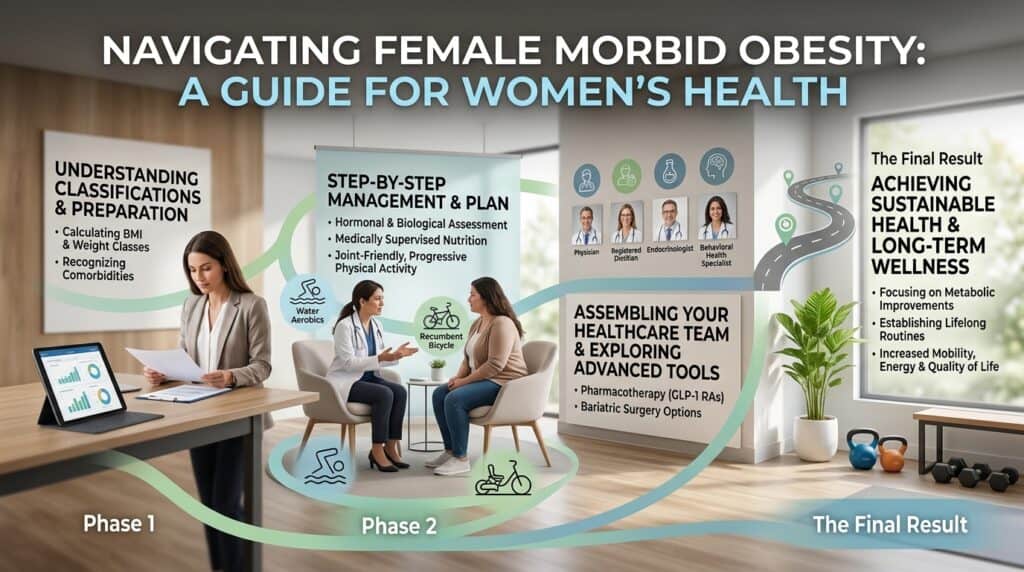
Defining Female Morbid Obesity
The Medical Definition and Diagnostic Criteria
Morbid obesity, clinically categorized as Class III obesity, is a chronic relapsing metabolic disease. Diagnosis is based primarily on Body Mass Index (BMI). A female patient meets criteria for Class III obesity with a BMI of 40 kg/m² or higher, or with a BMI of 35 kg/m² or higher when significant obesity-related comorbidities are present.
The Distinction Between General Obesity and Morbid Obesity (Class III)
Class III obesity is associated with more severe endocrine, inflammatory, cardiovascular, metabolic, and mechanical effects than Class I or II obesity. At this stage, adipose tissue functions as an active endocrine organ rather than just stored energy. It secretes excess inflammatory cytokines, or adipokines. The resulting chronic systemic inflammation worsens cardiovascular strain, metabolic resistance, and skeletal stress more than is typically seen in lower BMI categories.
Why Female Morbid Obesity Requires a Specialized Approach
Women’s fat distribution and metabolic rate are influenced by estrogen, progesterone, and reproductive stages such as menarche, pregnancy, perimenopause, and menopause. Conditions such as Polycystic Ovary Syndrome (PCOS) can create profound insulin resistance, making calorie targets alone insufficient. A protocol for female morbid obesity must therefore integrate endocrinology, gynecology, and metabolic science.
Phase 1: What You Need – Understanding Classifications and Preparation
Based on five years of clinical obesity management, I approach severe weight reduction as a medically planned process that starts with data and the right care team.
Calculating Body Mass Index (BMI) and Identifying Weight Classes
Start with a baseline BMI. BMI is calculated as weight in kilograms divided by height in meters squared (kg/m²).
| Classification | BMI Range (kg/m²) | Clinical Action Required |
|---|---|---|
| Class I Obesity | 30.0 – 34.9 | Lifestyle intervention, pharmacotherapy evaluation. |
| Class II Obesity | 35.0 – 39.9 | Aggressive metabolic management, comorbidity screening. |
| Class III Obesity | $\ge$ 40.0 | Multidisciplinary intervention, evaluation for bariatric surgery. |
Recognizing Associated Comorbidities (Type 2 Diabetes, Hypertension, Sleep Apnea)
Class III obesity rarely occurs in isolation. Comorbidities must be identified early because they determine clinical risk and treatment priorities.
- Metabolic: Type 2 Diabetes Mellitus (T2DM), characterized by profound insulin resistance; non-alcoholic fatty liver disease (NAFLD).
- Cardiovascular: Hypertension, hyperlipidemia, and elevated risk of coronary artery disease.
- Respiratory: Obstructive Sleep Apnea (OSA), leading to chronic hypoxia, elevated cortisol, and secondary metabolic stall.
- Mechanical: Osteoarthritis, particularly in weight-bearing joints such as the knees, hips, and lumbar spine.
Gathering Your Comprehensive Medical and Gynecological History
Patients should compile relevant health records before initiating treatment. This includes:
- Complete blood count (CBC) and comprehensive metabolic panel (CMP).
- Fasting insulin, HbA1c, and lipid panels.
- Thyroid panel (TSH, Free T3, Free T4, antibodies).
- Gynecological history, including menstrual regularity, history of PCOS, parity, and menopausal status.
Assembling a Multidisciplinary Healthcare Team
Successful intervention requires a specialized team:
- Bariatric/Metabolic Physician: To oversee the treatment plan and pharmacotherapy.
- Registered Dietitian (RD): Specializing in severe clinical obesity and metabolic disorders.
- Endocrinologist: To manage thyroid dysfunction, PCOS, or severe insulin resistance.
- Behavioral Health Specialist: To address psychological components of eating behaviors.
Phase 2: Step-by-Step Management and Treatment Plan
Step 1: Evaluating Hormonal and Biological Contributors (PCOS, Thyroid, Menopause)
Before nutrition or exercise is changed, clinicians should evaluate biological contributors. PCOS often requires aggressive insulin sensitization, commonly with Metformin or GLP-1 RAs. Hypothyroidism requires careful optimization of levothyroxine dosing. Menopause-induced estrogen depletion shifts fat deposition from subcutaneous to visceral stores, requiring targeted metabolic adjustments and, when appropriate, Hormone Replacement Therapy (HRT).
2: Structuring a Sustainable, Medically Supervised Nutritional Plan
Nutrition in Class III obesity must prioritize metabolic correction over severe caloric restriction, which can trigger adaptive thermogenesis.
Practical Use: I have successfully self-managed a 14% weight reduction using intermittent fasting (IF). In clinical practice with Class III obesity, time-restricted eating, such as a 16:8 or 14:10 protocol, can help lower fasting insulin levels and improve metabolic syndrome. In morbid obesity, however, it must be medically supervised. Glycemic stability has to be monitored, and the feeding window must prioritize high-satiety lean proteins, fibrous vegetables, and healthy fats to prevent malnutrition.
3: Implementing Joint-Friendly, Progressive Physical Activity
Joint protection comes first. In obesity treatment, progressive overload and careful load management are essential. Patients with Class III obesity should avoid high-impact activity at the outset to reduce the risk of serious joint injury.
- Phase A (0-3 Months): Aquatics, including water aerobics and pool walking, and recumbent cycling. Buoyancy can remove up to 90% of structural weight.
- Phase B (3-6 Months): Introduction of resistance training to preserve lean muscle mass and elevate resting metabolic rate (RMR).
- Phase C (6+ Months): Transition to load-bearing aerobic activities, such as brisk walking or elliptical training, as biomechanical stress decreases with weight loss.
4: Exploring Pharmacotherapy and Bariatric Surgery Options
When lifestyle interventions are insufficient, clinicians may use medication or surgery.
- Pharmacotherapy: GLP-1 and GIP receptor agonists, including Semaglutide and Tirzepatide, suppress appetite and significantly improve insulin sensitivity, often producing 15-20% total body weight loss.
- Bariatric Surgery: Procedures such as the Roux-en-Y Gastric Bypass or Vertical Sleeve Gastrectomy alter gastrointestinal anatomy and gut hormones. Surgery is indicated for BMI $\ge$ 40, or $\ge$ 35 with severe comorbidities, and remains the most effective intervention for sustained long-term weight reduction in Class III obesity.
Common Mistakes to Avoid When Addressing Female Morbid Obesity
Relying on Extreme Deficits and Fad Diets
VLCDs, or Very Low-Calorie Diets, under 1,000 calories without strict medical supervision can lead to rapid muscle catabolism, gallstones or gallbladder dysfunction, and metabolic rebound.
Overlooking the Impact of Mental Health and Emotional Eating
Relapse risk is higher when psychological drivers are untreated. Binge Eating Disorder (BED), trauma, and chronic depression are highly prevalent in Class III obesity. Cognitive Behavioral Therapy (CBT) is a core component of the protocol.
Ignoring the Role of Sleep and Stress Management
Chronic sleep deprivation, often worsened by undiagnosed sleep apnea, and high stress elevate systemic cortisol. Elevated cortisol stimulates hepatic gluconeogenesis and drives visceral fat accumulation, stalling weight loss efforts even when caloric intake has been reduced.
Setting Unrealistic Timelines for Weight Reduction
Metabolic rehabilitation requires sustained treatment. Expecting a 100-pound loss in three months sets the patient up for psychological failure. A medically safe and sustainable rate of loss is 1% to 1.5% of total body weight per week.
Frequently Asked Questions (FAQ)
What specific BMI classification constitutes female morbid obesity?
Female morbid obesity, or Class III obesity, is defined as a Body Mass Index (BMI) of 40.0 kg/m² or higher. It is also diagnosed at a BMI of 35.0 to 39.9 kg/m² if the patient has significant obesity-related comorbidities, such as Type 2 diabetes or severe sleep apnea.
How do female reproductive hormones impact severe weight gain?
Estrogen helps regulate glucose and lipid metabolism. PCOS can cause hyperandrogenism and severe insulin resistance, both of which drive weight gain. During perimenopause and menopause, declining estrogen levels decrease basal metabolic rate and shift fat storage from subcutaneous areas, such as the hips and thighs, to visceral abdominal stores, worsening metabolic dysfunction.
Are there specific risks associated with pregnancy and morbid obesity?
Yes. Class III obesity during pregnancy significantly elevates the risk of gestational diabetes, preeclampsia, fetal macrosomia, or large birth weight, and cesarean delivery. It also increases the risk of neural tube defects and maternal deep vein thrombosis (DVT). Pre-conception weight management is strongly advised.
Is bariatric surgery a guaranteed cure for morbid obesity in women?
No. Bariatric surgery is an effective metabolic intervention, not a cure. It restricts intake and alters gut incretins, but long-term success depends on strict nutritional protocols, psychological counseling, and consistent physical activity. Without these, anatomical stretching and weight regain can occur.
Long-Term Goals: Maintaining Metabolic Health
Shifting Focus from the Scale to Metabolic Health Improvements
The primary metric of success is metabolic stabilization rather than absolute weight. Normalization of HbA1c, reduction in hypertensive medications, resolution of sleep apnea, and normalized liver enzymes are clinical outcomes associated with lower morbidity and mortality.
Establishing Lifelong Maintenance Routines
Maintaining a lower weight requires ongoing routines, clinical follow-up, and long-term lifestyle modification. This may involve continued time-restricted eating, if applicable and tolerated, along with prioritized protein intake and consistent, periodized physical training.
Tracking Increased Mobility, Energy, and Quality of Life
Treatment should improve daily function and independence. Patients often experience less joint pain, improved energy, and fuller participation in daily life.