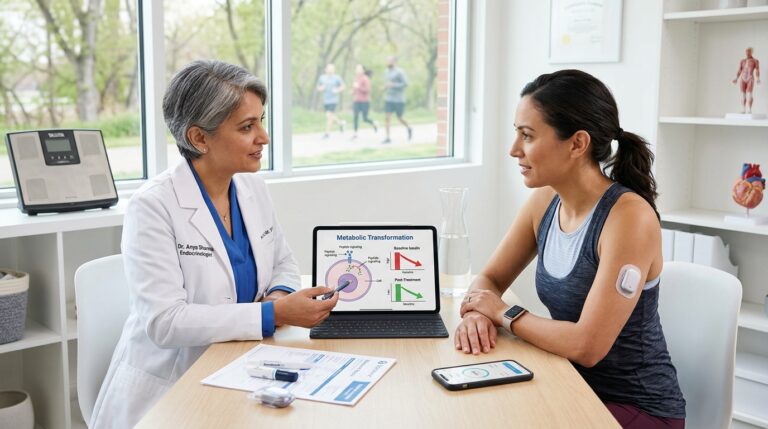

Defining Weight Loss Peptides
Over the past five years in clinical obesity management, and through my own application of metabolic conditioning (including a 14% reduction in body weight via intermittent fasting, training for three World Championship Duathlons, and five sub-3-hour marathons), the limits of treating obesity as a behavioral deficit have become obvious. Chronic obesity is a complex metabolic disease.
Weight loss peptides are among the most effective pharmacological tools currently used in obesity medicine. They are short chains of amino acids that function as signaling molecules. In obesity medicine, the most prominent are Glucagon-Like Peptide-1 receptor agonists (GLP-1 RAs). They replicate endogenous hormone activity, helping regulate appetite and glycemic control while supporting fat loss.
The focus here is practical: clinical steps for patients using peptide therapy and the nutrition and training structure needed to preserve metabolic health during weight loss.
What You Need Before Starting Weight Loss Peptides
A Comprehensive Medical Evaluation
Medical clearance by a licensed healthcare provider is required before treatment. Obesity often presents with overlapping comorbidities, and those risks need to be quantified before hormonal agents are introduced.
Required baseline diagnostics include:
- Comprehensive Metabolic Panel (CMP): To assess renal and hepatic function.
- Thyroid Panel (TSH, Free T3/T4): To rule out baseline hypothyroidism and screen for contraindications, including a personal or family history of medullary thyroid carcinoma.
- HbA1c & Fasting Insulin: To establish baseline glycemic control and insulin resistance parameters.
A Legitimate Prescription and Sourcing
Peptide therapy requires strict sourcing. Safe treatment depends on sterile preparation, accurate dosing, and clinical oversight.
- Pharmacies: Peptides must be obtained through a valid prescription from a standard pharmacy or a certified 503A/503B compounding pharmacy.
- Clinical Supplies Checklist:
- Insulin-grade syringes, typically 31G, 5/16 inch, if not using a pre-filled autoinjector pen.
- Sterile alcohol prep pads.
- FDA-cleared biohazard sharps disposal container.
A Baseline Lifestyle Plan
Peptides do not replace nutrition and training. Without changes in nutrition and resistance training, weight loss can include a high percentage of lean muscle mass. That is sarcopenia, and it damages basal metabolic rate (BMR).
- Nutrition Plan: Prioritize a high-protein intake, with a target of 1.2 to 1.6 grams per kilogram of ideal body weight, to preserve lean tissue.
- Mechanical Stimulus: Implement a structured resistance training protocol. Endurance training is valuable for cardiovascular conditioning, but load-bearing resistance exercise is mandatory to signal muscle preservation during a caloric deficit.
Step 1: Understanding How the Treatment Works in the Body
Mimicking Natural Hormones
Weight loss peptides, including GLP-1 and dual GLP-1/GIP agonists, are synthetic analogs of incretin hormones secreted by the intestine in response to nutrient ingestion. They bind to receptors involved in appetite regulation, including hypothalamic pathways, and directly reduce hunger while increasing satiety.
Slowing Gastric Emptying
These peptides delay gastric emptying. Food remains in the stomach longer, and mechanoreceptors continue sending fullness signals to the brain. The effect is clinically important: a reduction in hyperphagia, food noise, and compulsive eating signals.
Improving Insulin Sensitivity
They improve glucose regulation primarily by increasing glucose-dependent insulin secretion and suppressing glucagon.
| Physiological Target | Mechanism of Action | Metabolic Impact |
|---|---|---|
| Pancreatic Beta Cells | Stimulates glucose-dependent insulin secretion | Lowers postprandial blood glucose |
| Pancreatic Alpha Cells | Suppresses glucagon secretion | Reduces hepatic glucose output |
| Peripheral Tissues | Enhances glucose uptake in muscle/adipose tissue | Decreases visceral fat storage |
Step 2: The Process of Beginning Peptide Therapy
Starting with the Lowest Efficacious Dose
Peptide therapy follows a strict titration schedule. Treatment starts at a sub-therapeutic dose so the gastrointestinal (GI) tract and central nervous system can acclimate. Dosages are typically increased in 4-week intervals, depending on patient tolerance and the rate of weight loss.
Proper Administration Techniques
For compounded vials requiring manual draw, sterile subcutaneous injection technique is required:
- Site Selection: Abdomen, at least two inches from the umbilicus, or the anterior thigh. Rotate injection sites weekly to prevent lipohypertrophy.
- Preparation: Swab the vial stopper and the injection site with an alcohol pad. Allow it to air dry.
- Injection: Pinch a 1-inch fold of subcutaneous fat. Insert the needle at a 90-degree angle. Depress the plunger slowly.
- Disposal: Immediately place the used syringe in a designated sharps container.
Tracking and Monitoring Symptoms
Track objective data so the prescriber can adjust treatment. Use digital applications to track:
- Daily fasting body weight, assessed by 7-day rolling averages.
- Macronutrient ratios, with emphasis on meeting protein targets.
- Adverse events, including the severity and frequency of GI distress, nausea, or fatigue.
Common Mistakes to Avoid When Using Weight Loss Peptides
Buying from Unregulated Research Sites
Acquiring “research-only” or unregulated peptides from standard e-commerce websites introduces serious risk. These products bypass regulatory oversight. They may lack sterility controls, contain inaccurate doses, or include contaminants such as dangerous excipients or heavy metals. Rely strictly on licensed medical channels.
Neglecting Protein Intake and Hydration
- Muscle Wasting: Severe caloric deficits without adequate protein intake and resistance training result in the loss of skeletal muscle. This compromises functional strength and lowers baseline metabolism.
- GI Complications: Delayed gastric emptying increases the risk of constipation. Inadequate hydration makes it worse. A minimum intake of 3 liters of water daily, supplemented with essential electrolytes, is clinically advised.
Rushing the Titration Process
Accelerating the dosage schedule to force faster weight loss often backfires. Over-titration can trigger severe nausea, vomiting, acute dehydration, and potential cyclical vomiting syndrome.
Frequently Asked Questions About Weight Loss Peptides
What are the most common side effects of weight loss peptides?
The dominant side effects are gastrointestinal. Nausea, acid reflux, dyspepsia, and changes in bowel habits, including constipation or diarrhea, are common during the initial 48 hours after injection. Fatigue is also frequently reported, often secondary to a rapid decrease in caloric intake. Mitigation typically starts with smaller, low-fat meals, strict hydration, along with adherence to the established titration schedule.
How long does it take to see noticeable results?
Physiological responses, especially reduced appetite, often occur within 24 to 48 hours of the first injection. Significant weight reduction takes longer. During the initial 4-8 week titration phase, patients typically lose 2–4% of body weight. The most pronounced fat loss occurs once the patient reaches their specific therapeutic dose, generally across months 3 through 12 of treatment.
Do I have to take these peptides forever?
Obesity is a chronic, relapsing disease. Current clinical data indicate that full cessation of GLP-1 RAs frequently results in weight regain, as the underlying metabolic dysfunction and hormonal imbalances return. For many patients, obesity medicine resembles hypertension medicine: long-term management of a chronic condition. Some patients, however, successfully transition to a lower maintenance dose combined with highly structured lifestyle protocols.
Maintenance: Monitoring Metabolic and Body Composition Goals
Reaching Your Target Metabolic Baseline
Success in obesity medicine is measured by more than body weight. The clinical goal is improved cardiometabolic risk, not only lower body weight on the scale.
Expected Clinical Improvements:
- Cardiovascular: Reduction in resting systolic/diastolic blood pressure.
- Glycemic Control: Normalization of HbA1c, often reversing prediabetes or Type 2 Diabetes parameters.
- Systemic Inflammation: Reduction in hs-CRP, or C-reactive protein, and alleviation of load-bearing joint pain.
- Lipids: Decreased triglycerides and improved HDL cholesterol.
Transitioning to a Maintenance Protocol
Once ideal body composition and metabolic markers are achieved, the protocol must be adjusted. Work closely with your physician to identify the lowest maintenance dose that sustains weight and lab improvements without driving further weight loss. This may involve spacing out injection frequency, such as every 10–14 days, or stepping down the milligram dosage.
Using Peptides in Obesity Medicine
Weight-loss peptides should be paired with lifestyle changes because they lower appetite and glycemic barriers that can make those changes difficult. They can reduce appetite and improve glucose regulation in patients who have not responded to diet and exercise alone. By suppressing the biological drive to overeat, peptides can make it easier for patients to build and maintain the nutritional and athletic habits required for long-term health maintenance.