
Tirzepatide Basics
What Is Tirzepatide Dosing For Weight Loss
Tirzepatide is a first-in-class synthetic peptide that activates both glucose-dependent insulinotropic polypeptide (GIP) and glucagon-like peptide-1 (GLP-1) receptors. It affects insulin and glucagon secretion, gastric emptying, and appetite.
How Tirzepatide Dosing Supports Weight Loss
Tirzepatide dosing for weight loss is tied to two main effects. It affects gastrointestinal function and changes central appetite signaling.
Physiological and Metabolic Effects
- Gastric Motility: Delays gastric emptying, which can prolong the physical sensation of fullness.
- Neuro-Signaling: Stimulates hypothalamic receptors involved in hunger reduction and satiety.
- Glycemic Control: Improves insulin response and lowers glucagon secretion in a glucose-dependent manner, helping limit blood sugar spikes that may trigger cravings.
- Adipose Tissue: GIP agonism may promote lipid buffering and reduce ectopic fat deposition.
The Importance of Proper Dosing
Tirzepatide dosing for weight loss is typically increased in steps. The goal is to increase the dose gradually as the patient tolerates the medication. Following the schedule gives the body time to adapt and helps reduce gastrointestinal adverse events (AEs).
What You Need Before You Begin
Medical Prerequisites and Clearances
- Baseline Lab Work: Complete metabolic panel (CMP), lipid panel, hemoglobin A1c, and a thyroid panel.
- Specialist Consultation: Clearance from an endocrinologist or obesity medicine specialist.
- Medical History Review: Screening for contraindications, especially personal or family history of Medullary Thyroid Carcinoma (MTC), Multiple Endocrine Neoplasia syndrome type 2 (MEN2), or acute pancreatitis.
Essential Injection Supplies
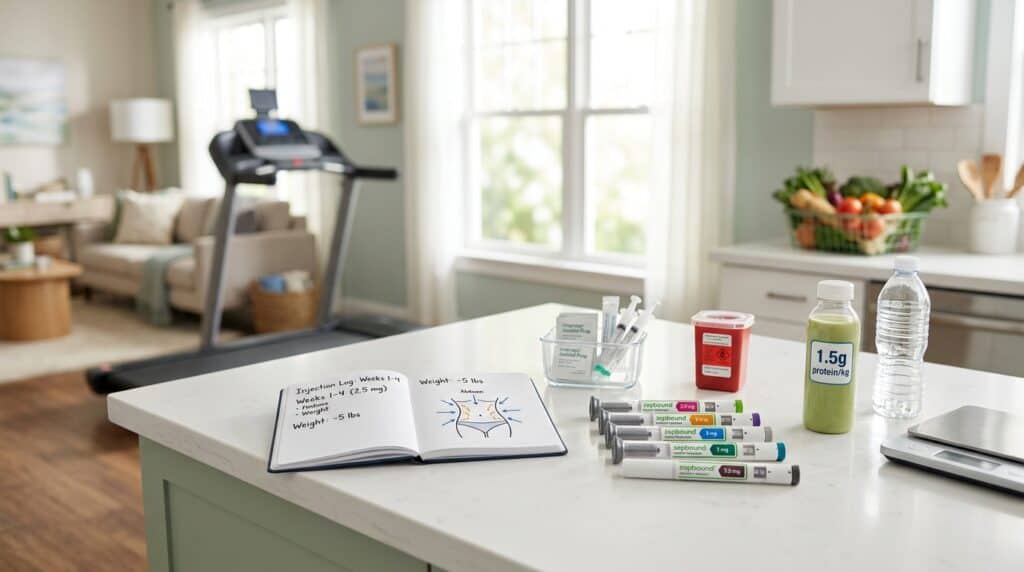
- Medication: Tirzepatide dosing for weight loss uses auto-injector pens, such as Zepbound, or sterile vials with appropriately sized insulin syringes.
- Sanitation: Isopropyl alcohol prep pads (70%) to sterilize the injection site and vial septum.
- Disposal: An FDA-cleared sharps container for biohazard safety and compliance with local disposal regulations.
Tracking and Lifestyle Tools
- Tracking: A dedicated application or clinical journal to record weekly injection sites, dosing schedule, acute side effects, and body weight metrics.
- Nutrition Planning: A macronutrient and hydration plan designed with a registered dietitian to support basic nutrition needs and help prevent malnutrition during caloric deficits.
Step-by-Step Tirzepatide Dosing for Weight Loss Schedule
The standard schedule increases the dose gradually. Dose increases occur at four-week intervals and depend on tolerance.
1: The Initiation Phase (Month 1)
- Dosage: 2.5 mg injected subcutaneously once weekly.
- Goal: Acclimatization. This period allows the gastrointestinal tract and central nervous system to adjust to GIP/GLP-1 receptor activation.
- Note: This is a sub-therapeutic dose. Significant weight loss is not the main objective, although some early weight loss may occur.
2: The First Escalation (Month 2)
- Dosage: 5.0 mg injected subcutaneously once weekly.
- Goal: Therapeutic weight loss generally begins here. Patients often notice stronger appetite suppression, lower caloric intake, and weight reduction.
3: Continued Titration (Months 3 and 4)
- Dosage: 7.5 mg (Month 3) and 10 mg (Month 4) injected subcutaneously once weekly.
- Goal: These doses are used when weight loss or appetite control is inadequate at lower doses. Escalation should occur only when the previous dose is well tolerated and has not caused severe gastrointestinal distress.
4: The Higher-Dose Phase (Months 5 and 6)
- Dosage: 12.5 mg (Month 5) and 15 mg (Month 6) injected subcutaneously once weekly.
- Goal: These doses approach the upper end of FDA-approved treatment for long-term weight reduction.
- Note: Titration should stop at the lowest effective dose. Many patients reach their weight-loss goals without ever requiring 15 mg.
Common Mistakes to Avoid
Rushing the Titration Schedule
Increasing the dose before the standard four-week adaptation window can lead to stronger side effects. This can cause severe adverse reactions, including debilitating nausea, vomiting, diarrhea, and dehydration. In some cases, dehydration can compromise renal function.
Improper Injection Techniques
- Injection Site Overuse: Failing to rotate injection sites, including the abdomen, anterior thighs, and posterior upper arms, increases the risk of lipodystrophy or localized dermal irritation.
- Cold Medication Discomfort: Injecting the medication immediately after removing it from refrigeration can cause additional stinging. Allowing the pen to sit at room temperature for about 30 minutes usually reduces subcutaneous discomfort.
Neglecting Nutrition and Muscle Maintenance
Eating too little protein or skipping resistance training increases lean body mass loss.
- Body Composition Considerations:
- Without Resistance Training: Up to 30-40% of total weight lost may be lean muscle mass.
- With Resistance Training + High Protein (1.2-1.6g/kg): Muscle loss is mitigated to <10-15%, preserving basal metabolic rate (BMR).
- Cardiovascular Training: Helps maintain aerobic fitness during weight loss.
Reaching Your Maintenance Dose and Weight Loss Goals
Stabilizing on an Effective Dose
The goal is to find the best-tolerated effective range: the dose that maintains clinically significant weight loss and appetite control without unacceptable adverse effects. Once target weight is achieved, the focus usually shifts from dose increases to maintenance.
Long-Term Weight Management Expectations
Obesity is a chronic, relapsing disease. Clinical data suggest that tirzepatide may require long-term administration to prevent weight regain. Sustained results depend on pairing the medication with lasting eating habits, structured physical activity, and ongoing metabolic monitoring with your healthcare provider.
Frequently Asked Questions
What should I do if I miss a dose in my schedule?
If you miss a dose, administer it as soon as possible, provided it is within 4 days (96 hours) of the missed dose. When more than 4 days have elapsed, skip the missed dose and administer your next injection on your regularly scheduled day. Do not double the dose to compensate.
Can I stay on a lower dose if I am already losing weight?
Yes. If you are losing about 1-2 lbs per week on a lower dose such as 5.0 mg or 7.5 mg, maintain that dose. Staying lower when it works can reduce side effects and avoid increasing the dose before it is needed.
How does tirzepatide dosing for weight loss differ from type 2 diabetes dosing?
The molecule is the same, and the titration schedule is similar: start at 2.5 mg then increase by 2.5 mg every 4 weeks when appropriate. The clinical endpoints differ.
- Mounjaro (Type 2 Diabetes): Dosing is titrated based on glycemic control and HbA1c targets.
- Zepbound (Obesity/Weight Management): Dosing is titrated based on total body weight percentage loss, appetite suppression, and tolerability. Insurance authorization and diagnostic codes differ between the two indications.